Deliveries to:

Co-ordinator,
Georgia Efford
2 Healey Place,
Gooseberry Hill
Western Australia 6076

Other states/countries:
click on  Contact Us

Subscribe to our newsletter

And receive a quarterly email on updates to the Uthando Project

Previous Newsletter Archive


Let your imagination soar and the urge to participate spark by getting your own copy of our first and fabulous book, 100 Dolls Countless Hearts.

Be moved by the stories of childhood which come from a dozens of multicultural Australian dollmakers.

Be inspired by the Voices of KwaZulu Natal organisations who give context to where the dolls go and the journey they take in children and caregivers' lives.

Start sewing or knitting Uthando dolls from the patterns in this book.

The book costs AU $35 + $14.95 for postage and handling (AUSTRALIA ONLY).

Or please email [email protected] to place your order if overseas or wanting alternative payment options.

Or find out where you can buy the book in Western Australia.


Profits from the sales of 100 Dolls Countless Hearts go to dlalanathi, one of our partner organisations in Pietermaritzburg, KwaZulu Natal, South Africa.

dlalanathi (means 'Let's Play and Stay Well' in the Zulu language) works with women and children in communities where the devastation of the HIV/AIDS pandemic affects everyone. Uthando dolls are also given to other child focussed organisations in KZN. This heartwarming book, rich in stories and portraits, is full of patterns for sewing and knitting dolls and clothes.
Would you like to let your creativity run riot and make some dolls for Uthando?


Directed by Natalija Brunovs, this documentary is a tender, realistic and moving insight into the lives of two Zulu sisters, Goodness and Happiness.
Living in a remote rural village after the sudden death of their mother, they are adjusting to a life that one in five children in KwaZulu-Natal face, being parentless.
In the film Goodness learns how to make a doll at one of Uthando Projects' workshops and we glimpse the magnitude of the effects on her sister and the women who participated.
The film explores the important role of play in a child's life - and how a doll can make a difference.

The film is 10 minutes long and will stimulate discussion for students and people of all ages.
Please email Lis Hansen, Hon. Treasurer, [email protected] to place your order.
$10 donation + $2 postage/handline per DVD.


Uthando Project Video

Click the play button below to watch Channel 10 News footage of the Uthando Project


For more information, patterns, or mailing list registration: click on  Contact Us

Dollmakers and Teachers:
Download the Dollmakers Workbook for guidelines, instructions and patterns
(PDF 2MB)

KwaZulu Natal (KZN) is home to one quarter of South Africa’s children. Two in every three of them live in poverty and 1.5 million are younger than six. The HIV and AIDS pandemic affects everyone, and the ravages of the pandemic increase the vulnerability of all children. Children need the loving care of at least one adult for optimal growth and development. When one in five children has already lost one or both parents to the AIDS, the care-giving capacity of families is stretched and at times overwhelmed. While nutritious food, clean water, shelter and education are essential for a child’s wellbeing, so is play.

Play enables children to develop physically, intellectually, emotionally, socially and spiritually in a more robust way. Through play children have the opportunity to experience delight and to unleash their imagination. They may also express their grief and loss, and come to better understand things that trouble or confuse them. One grandmother may have up to a dozen children in her care, and some children live in child-headed households. Tired, grieving and overburdened caregivers sometimes need help to find a place in their day to day lives to support and join in their children’s play.

To support this process, dollmakers around the world, provide handmade dolls, sewn or knitted, for the caregivers to give their children.

We Need:

Uthando is the isiZulu word for love. To support caregivers and their children in discovering the joys and the richness of play, Uthando Project distributes dolls in KwaZulu-Natal.

We are also happy to provide patterns and ideas to any similarly motivated people anywhere in the world. Over the years we have handled thousands of dolls with lessons learned. Dolls can be sorted into three groups: decorative, comfort and expressive play. Each has its value and Uthando has refined its focus on to making dolls for children’s expressive play.  As such they need to be made to withstand lots of handling and need strong hair and arms with a no flop head.  The dolls need to have brown skin, and the children love them when they are dressed in bright clothing, which, preferably, can be taken on and off easily by little hands.

Could YOU make a doll for a child who has never had one?

If you can sew, knit, or crochet . . . we have the patterns. You can be as creative as you like - all we ask is that your doll be sturdy, cuddly and colourful with brown skin.

Where are the dolls going?

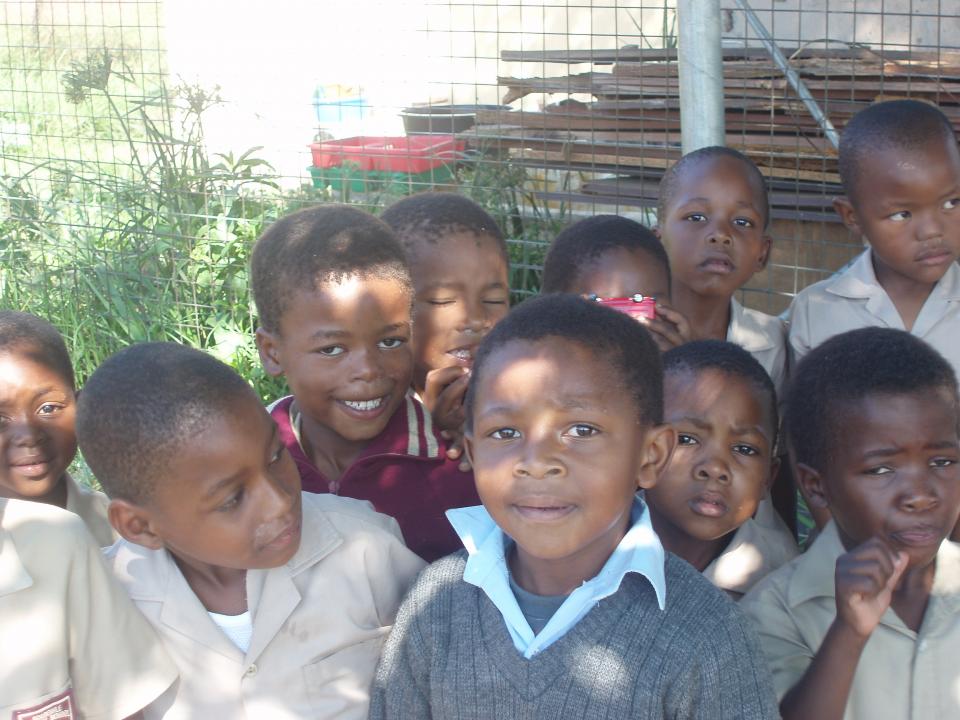
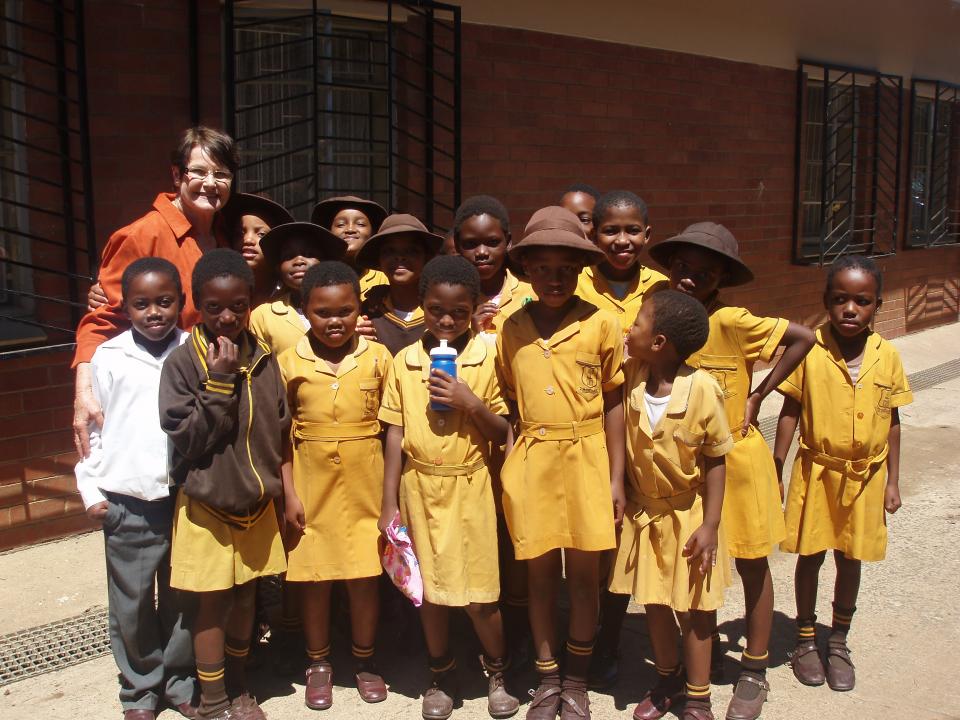
To children living in KwaZulu-Natal, South Africa, where two thirds of children live in poverty. All have been affected by the HIV/AIDS pandemic and one in five children grieves the loss of one or both parents.

Dolls are distributed through the agency TREE (Training Resources in Early Education).

Who makes the dolls?

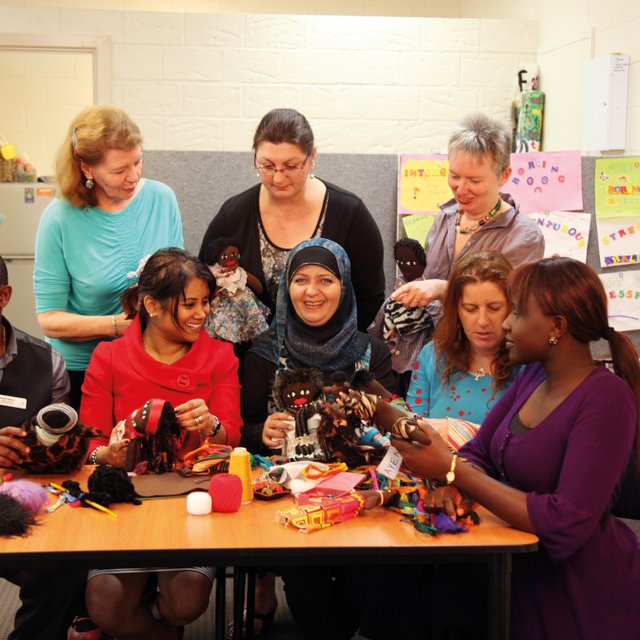
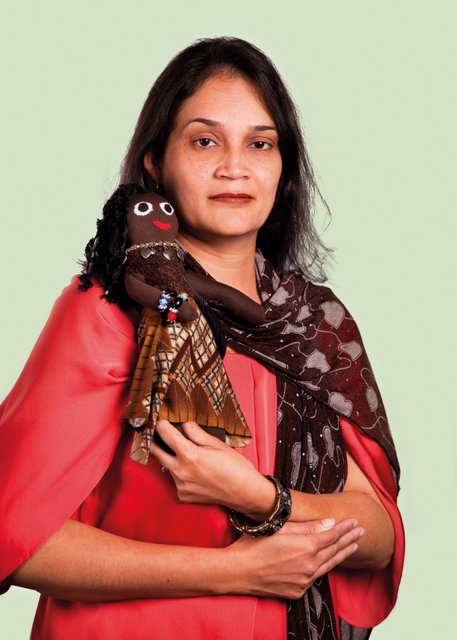
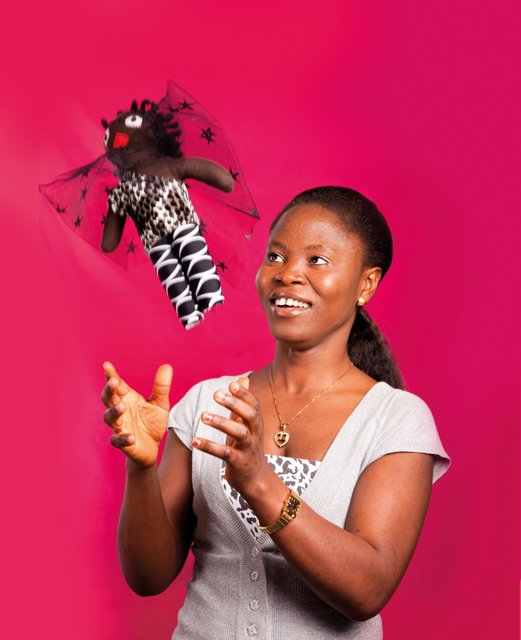
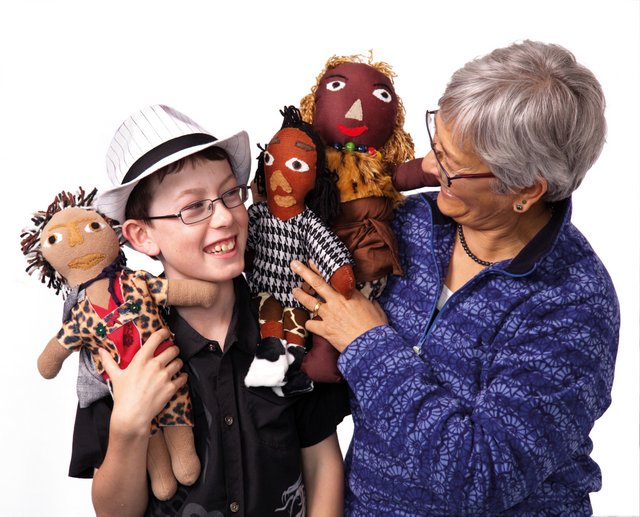
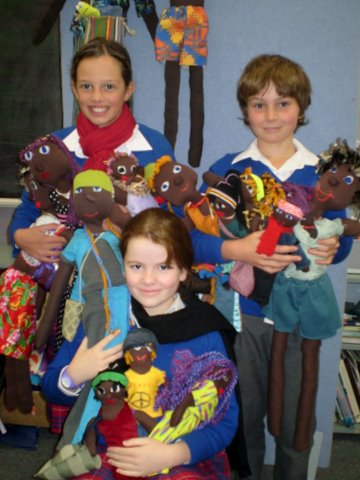
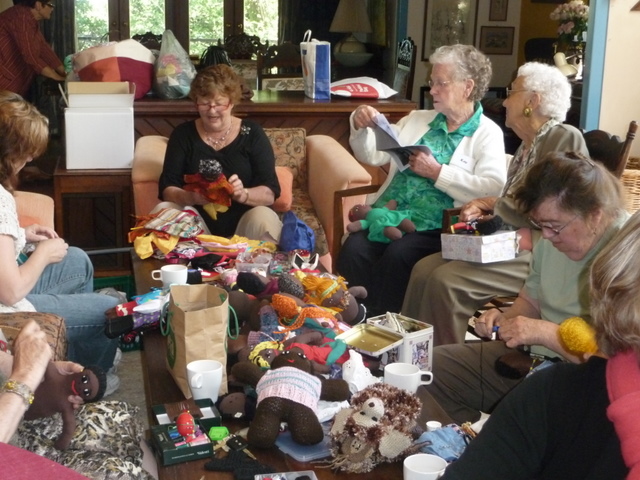
Anyone! This is a grassroots project. Craft groups, individuals, school children, seniors, church groups . . . all want to send something made with their own hands, to show children and families living midst the pandemic that they are not forgotten by the rest of the world.

How did the project begin?

In 2004, Dr Julie Stone, an infant, child & family psychiatrist visited South Africa. She witnessed the stark situation and invited people to respond by making dolls. Since then, many have. Uthando means 'love' in the Zulu language.

How many dolls have been sent?

Dolls have arrived in KwaZulu-Natal from all over the world. 20,000 dolls have been sent, including 18,000 from Perth. KwaZulu-Natal has 1.5 million children under the age of 6, and each one would love a doll of their own.

How are the dolls used?

The dolls are an invitation to play. They will bring delight to the children and their carers. This play may help the child with grief and loss. To own and play with their own doll encourages a child's development in all spheres: physical, intellectual, emotional, social and spiritual.

What else is happening in KZN?

Hundreds of local programs work with children and families, at an individual, community and state level. Our aim is to support them in their work. They have asked for as many dolls as we can supply. Uthando volunteers have also visited KZN to train community leaders and carers in doll-making, so that they can now teach others. RobS, as our partner, delivers the training in understanding more deeply the emotional needs of the child and the vital role of play.

What are the statistics?

In the part of KZN where our work began, where the AIDs pandemic is most severe, one in five children grieves the loss of one or both parents and up to 60% of young women may be HIV+.
Across South Aftrica, 14.8% of young women and 4.5% of young men aged 15-24 are living with HIV/AIDS. Over 1000 people die each day from HIV/AIDS in South Africa and 1.4 million children have lost one or both parents.

"Touching hearts and bringing play to life"